Why hospitality matters
Hospitality is not just about service – it is about how people feel when they encounter your business or your city. It influences where we choose to travel, shop, live, work, and invest. Here, we gather insights and examples that show how hospitality can become a true success factor – and a motor for growth, innovation, and pride.

Hospitality as a Competitive Advantage
Prioritising hospitality is not a cost – it is an investment in the future. Companies that actively work on their interaction and relationships stand stronger over time, as clearly demonstrated in industry surveys from the Swedish Quality Index (SKI). Actors with high customer trust and a personal touch have more loyal customers, higher recommendation rates, and better profitability.
Hospitality is not "the little extra"; it is the core of relationships, experiences, and long-term sustainability. In all industries where people meet – physically or digitally – the quality of the interaction affects how we perceive the brand, how secure we feel, and how likely we are to stay.
Hospitality is one of Sweden’s most significant competitive advantages. The winners of the future are those who make people feel genuinely welcome.
Access industry surveys from the Swedish Quality Index


The strength of hospitality
- Stronger brands
- Higher attractiveness for talent and investment
- Increased inclusion and accessibility
- Proud employees and ambassadors
- A positive image of the location locally and internationally
Hospitality as a Business Strategy
Companies that experience good treatment and support from partners, suppliers, and public actors grow faster and are more likely to invest locally, according to the Confederation of Swedish Enterprise’s Business Panel. The relationship becomes part of the deal. Research points in the same direction: organisations that build long-term customer relationships can achieve up to twice the lifetime revenue per customer compared to actors who primarily focus on transactions. This is shown in studies from the Stockholm School of Economics.

Hospitality starts from within
How we treat each other internally affects how we meet customers and visitors. A strong workplace culture creates strong hospitality externally. Organisations with an open, supportive, and welcoming work climate have:
- Higher innovation capacity
- Lower staff turnover
- Better customer satisfaction
Source: Great Place to Work Sweden
Hospitality as a Place Strategy
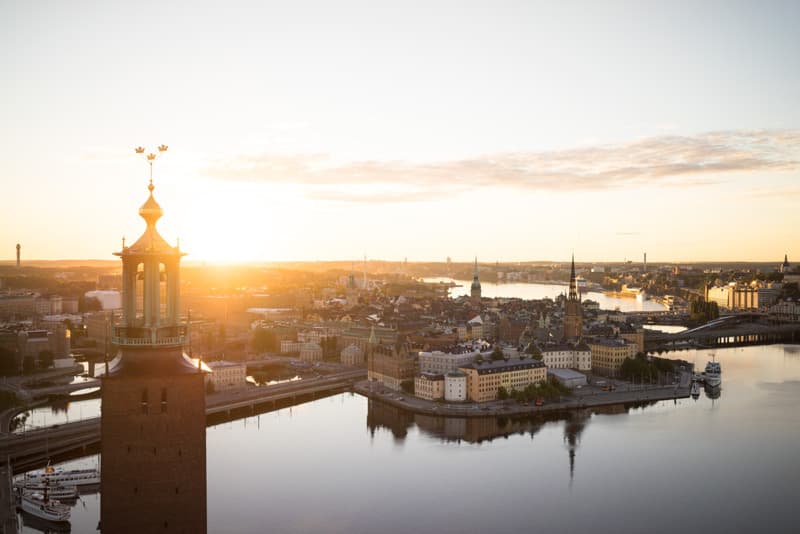
Stockholm competes, just like many European cities, not only for visitors but also for talent, companies, and investments. In this competition, hospitality becomes part of the location's identity: how welcoming we are, how easy it is to establish oneself, and how it feels to live and work here.
Companies choose Stockholm for innovation, sustainability, and openness – but the quality of interactions, the collaborative climate, and access to relevant networks are central factors when establishing a presence. Cities perceived as safe, inclusive, and value-creating attract more international visitors, students, and investment.
In short: Hospitality is a key element in both the place development and the brand of Stockholm.
Sources: Eurostat and Eurobarometer.
The strength of hospitality
- stay longer
- spend more
- are more likely to return or recommend the destination to others
Sweden and Stockholm
- Strengthened hospitality leads to more satisfied customers and residents, more attractive workplaces, and more investment.
- By strengthening human interaction, Stockholm can become Europe’s most welcoming capital.
- Hospitality needs to become a conscious strategy in the face of increased global competition.
Do you want to help build a strong culture of hospitality ?

 Photo: Stina Bengtsson