New Development Company to Help Shape Kista’s Future –Meet CEO Sverker Henriksson
The City of Stockholm is investing SEK 100 million and establishing a new development company for Kista. Its mission is to drive development projects, strengthen the area's attractiveness, and create conditions for future investments and business establishments. As the company's first CEO, Sverker Henriksson has been tasked with bringing key stakeholders together, driving development forward, and helping shape the next chapter for Kista.
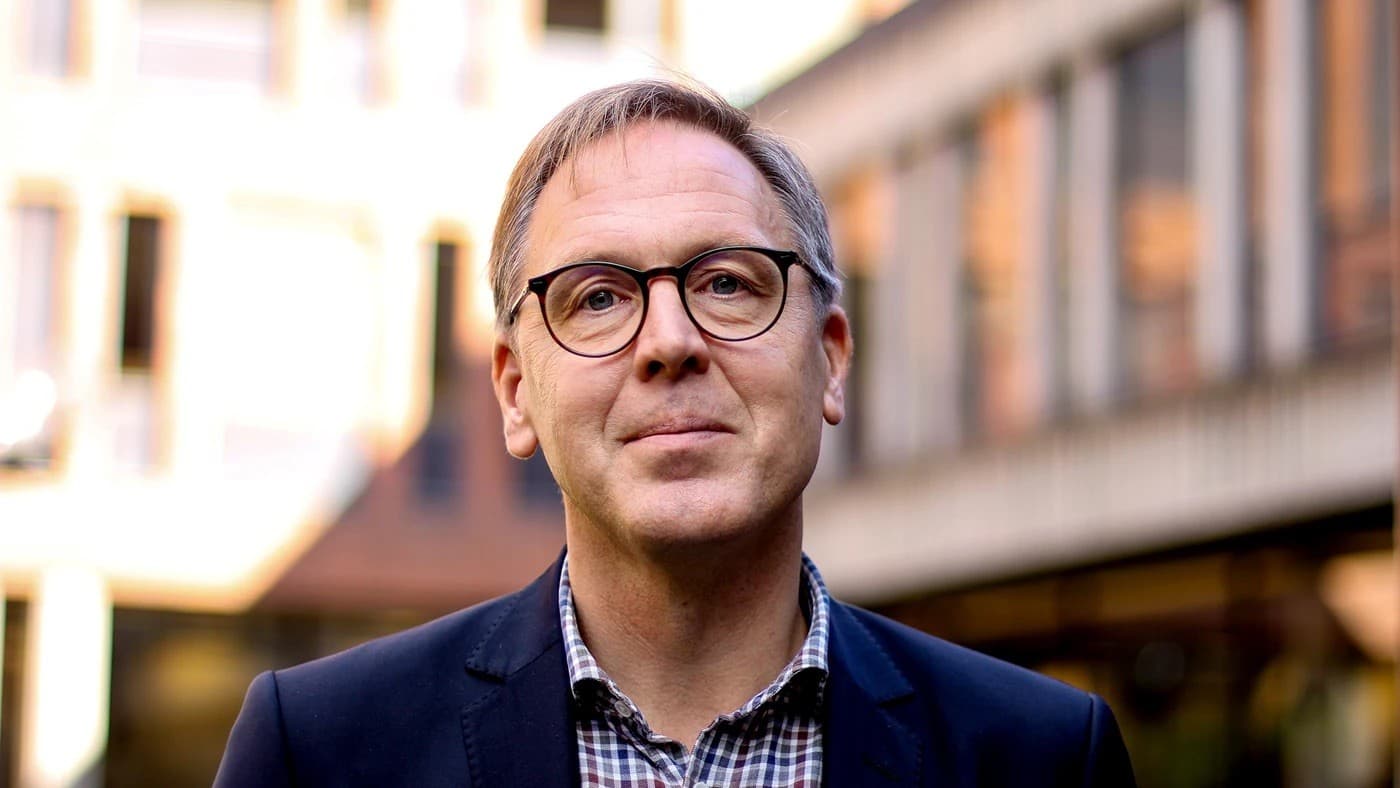
We spoke with Staffan Henriksson, CEO at new development company for Kista, about the assignment, the opportunities ahead, and the future of one of Sweden’s most important innovation districts.
Why is this initiative needed right now?
– Kista has been undergoing a transformation for several years as the needs of businesses continue to evolve. Ericsson's decision to relocate to Hagastaden makes it even more important to define a clear direction for the future. Vacancy rates are currently high, and there is a need for coordinated action and concrete collaboration between property owners and other stakeholders already active in the area, as well as those interested in establishing a presence there.
There is a lot of discussion about Kista's development at the moment. How do you see the current situation?
– High vacancy rates and changes in the business landscape are certainly challenges. But periods of change also create opportunities. At its core, Kista remains in a strong position thanks to its proximity to Arlanda Airport and excellent public transport connections, which will improve even further with the extension of the tram network. On top of that, there is a strong commitment to Kista from many stakeholders, including the City of Stockholm.
What do you personally see as Kista's greatest strength today?
– It is difficult to point to just one thing. Kista is a large area with many opportunities and a rich history as an innovation hub. But if I had to choose one strength, it would be its accessibility and strategic location within the region.
Where do you see the greatest potential going forward?
– I think it would be a mistake to focus too narrowly on a single industry or technology area. Alongside its strength as a business district with a unique capacity for innovation, Kista also has significant potential as a destination. The planned National Football Centre and Kistamässan are examples of assets that can be developed further. There are many opportunities to build on these strengths.
What attracted you to this role?
– The opportunity to build a new organisation with such a clear mission: to strengthen a district of national importance. Through the City Council's decision, the company will also have the opportunity to test new tools and models for collaboration together with property owners and other stakeholders.
What will be your key priorities during the first 100 days?
– The first step is to meet and listen to the many stakeholders who are deeply committed to Kista. At the same time, I want to identify a small number of key projects where we can test new ways of working, while also developing the company's long-term strategy and business plan together with the board.
What do you think is needed for more companies, research organisations, investors and people to choose Kista in the future?
– It is still too early to provide a definitive answer. What is clear is that organisations such as Kista Science City and Stockholm Business Region have extensive knowledge about what businesses are looking for. The key will be understanding different needs and ensuring that Kista offers something unique for knowledge-intensive organisations and companies.
Looking five to ten years ahead, how would you like people to describe Kista?
– I hope people will describe Kista as a vibrant district with a unique innovation environment. I also hope that people in the urban development sector will talk about the "Kista model" as an example of successful collaboration between public and private actors.
Finally, what makes you most optimistic about Kista's future?
– The level of engagement. So many people care deeply about this unique district and want to see it succeed.